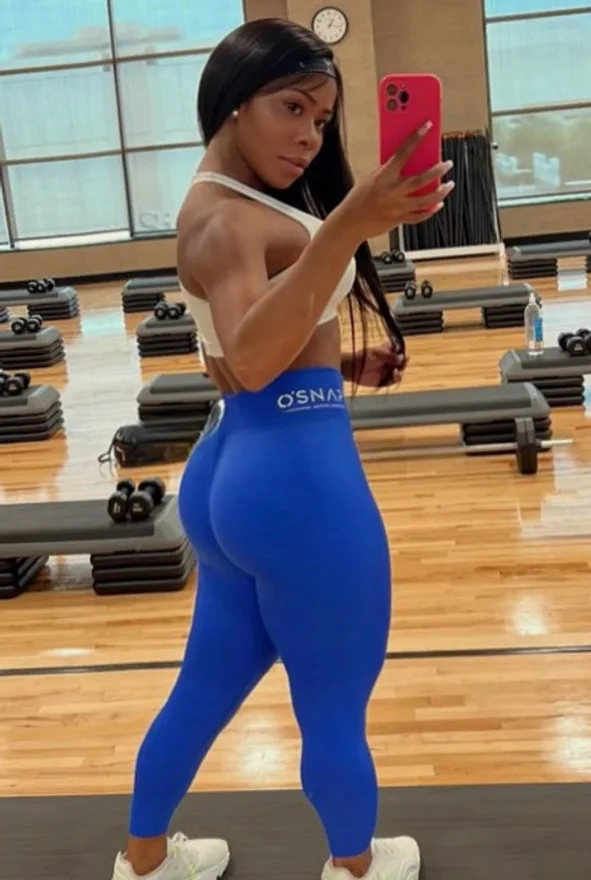
In the quiet hum of a browsing session, the eye moves from thumbnail to thumbnail, each image a fragment of a larger, unspoken story. The filter for Lesbian does not shout; it whispers a particular orientation into the foreground, drawing a line through the crowd. Here, the listed profiles share a common note, yet each holds its own cadence, its own choice of lighting, its own angle of self-presentation. A reader might pause on one for the curve of a smile, on another for the directness of a gaze, sensing the spectrum within a single category. The page becomes a collection of possibilities, not promises—just a spectrum of presence, waiting for a closer look.
Somewhere in the quiet shuffle of a city’s late hours, a particular set of profiles draws the eye—not by shout, but by a shared thread that runs through each of them. Here, the listing pages gather around a single attribute, a lens that brings certain individuals into closer view. The reader moves through these pages as one might walk a lamplit street, letting the details settle slowly, each profile a small doorway into a life presented at its own pace. The attribute itself is neither a promise nor a declaration; it is simply a filter, a way of sorting through the many to find the few that resonate.
Reading the Introductions for Lesbian
Within these pages, the introductions offer more than a glance; they invite a lingering read. Each person’s self-description becomes a quiet narrative, a choice of words that hints at character and temperament, though never promising what the future might hold. The reader is left to weigh the tone of a sentence against the pause between paragraphs, sensing what is said and what is left unspoken. This closer reading is not about conclusions but about appreciation—of a voice, a perspective, a way of presenting oneself. The attribute serves as the initial draw, but the words carry the conversation forward, each profile a distinct chapter in a larger, unbound anthology.